
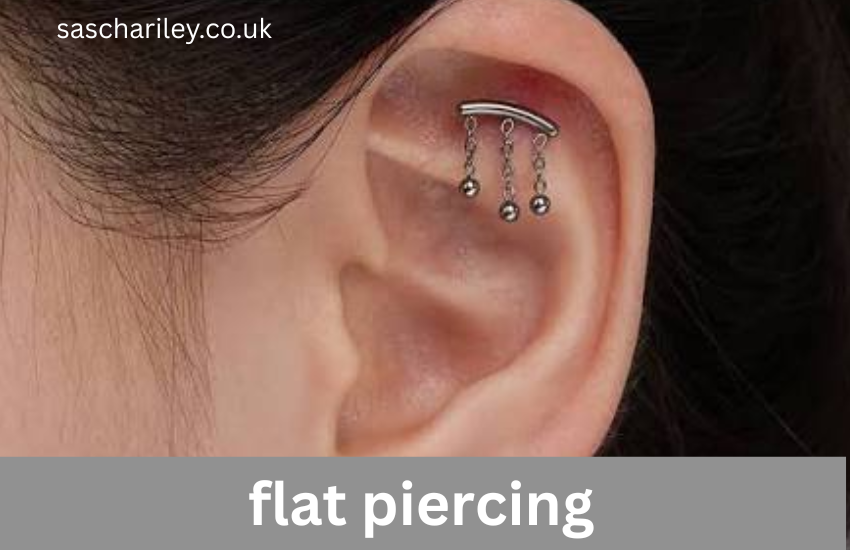
Getting a flat piercing can completely transform the way your ear looks, turning a simple cartilage area into a canvas for bold or delicate jewelry that catches every eye. This placement sits in that smooth, relatively even stretch of upper ear cartilage, offering more room than tighter spots and letting you play with larger decorative ends or clusters without looking cramped. People love it because it adds dimension without the drama of some other cartilage options, and when done right it heals into a reliable spot for everyday wear or special statement pieces. Whether you are building a curated ear stack or starting fresh with one standout piercing, understanding the process from start to finish makes all the difference in comfort and longevity.
Many first-timers feel a mix of excitement and nerves before the appointment, wondering about pain levels, downtime, and whether their anatomy even supports the look. The good news is that a skilled piercer evaluates the unique shape of your ear first, checking thickness and flatness so the jewelry sits flush and heals cleanly. Once you know the basics of placement, aftercare, and jewelry choices, the whole experience feels less mysterious and more like an informed style upgrade. This guide walks through every practical detail in a straightforward way so you can decide if the flat piercing fits your lifestyle and then care for it like a pro.
Understanding the Location and Anatomy of a Flat Piercing
The flat piercing sits in the broad, relatively level section of cartilage that lies just below the outer rim of the upper ear, nestled between the helix edge and the more curved inner structures. Unlike the curved helix or the deep bowl of the conch, this zone offers a flatter surface that many people find ideal for decorative studs or multi-stone ends because the jewelry can rest more evenly. Cartilage here varies from person to person—some ears present a wide open plane while others show subtle ridges—so a professional assessment ensures the needle path avoids thin spots that might migrate later.
Think of the ear as a landscape with hills and valleys; the flat area is the open meadow that gives jewelry room to shine without competing with folds. Blood flow is more limited in cartilage than in soft lobe tissue, which is why healing takes longer and careful aftercare becomes non-negotiable. Knowing your own anatomy helps set realistic expectations: thicker cartilage may feel more pressure during the procedure, while thinner areas demand extra attention to jewelry length so the piece does not shift.
When you sit down with a piercer they often use a marker to test possible spots, having you move your head and check angles in a mirror. This step prevents the common regret of a piercing that looks great head-on but tilts oddly from the side. The result is a placement that feels intentional and flatters the natural shape of your ear rather than fighting it.
Why People Choose This Placement Over Other Cartilage Options
Plenty of cartilage piercings exist, yet the flat piercing stands out for its versatility and visual impact. Helix piercings hug the outer edge and often look best with smaller hoops or simple studs, while a flat piercing opens the door to larger decorative ends that sit proudly across the plane. Conch piercings occupy the deeper bowl and can feel more enclosed; the flat area sits higher and more visible, making it a natural focal point in stacked ear designs.
Lifestyle plays a big role too. If you wear glasses, headphones, or sleep on one side, certain placements create more friction, but a well-positioned flat piercing can avoid some of those pressure points when jewelry is chosen carefully. Fashion trends currently favor curated ears filled with mixed metals and textures, and this piercing gives designers and wearers a blank-ish canvas that photographs beautifully. Many people report that once healed it becomes one of their most comfortable and most complimented pieces.
Beyond aesthetics, some choose it because the healing process, while lengthy, feels manageable compared with more mobile or high-friction spots. The key is matching the piercing to both your ear shape and daily habits so the investment of time pays off in a lasting accessory.
Preparing for Your Appointment and What to Expect During the Procedure
Book with a reputable studio that uses single-use needles and autoclave sterilization; ask about their experience with cartilage and specifically with flat placements. Arrive with clean hair tied back, no makeup or lotions near the ear, and a clear idea of the jewelry style you prefer for the initial piece—usually a straight post with a flat back for comfort. The piercer will discuss aftercare, check for any medical conditions that might affect healing, and confirm you understand the commitment.
The actual piercing moment is quick. After cleaning and marking, a hollow needle creates the channel in one smooth motion, followed immediately by insertion of the starter jewelry. Most people describe the sensation as a sharp pressure or brief sting rather than lingering pain, though individual pain tolerance varies. Cartilage does not bleed as much as lobe tissue, yet some swelling is normal right away. You leave with written instructions and usually a small bottle of sterile saline.
Plan for the rest of the day to be low-key. Avoid alcohol, heavy exercise, or anything that raises blood pressure, and sleep elevated if possible that first night. Having a travel pillow ready helps protect the new piercing from accidental pressure. The more prepared you feel beforehand, the calmer the experience becomes.
Essential Aftercare Steps for Healthy Healing
Aftercare for a flat piercing centers on keeping the area clean without overdoing it. Use a sterile saline solution twice a day—spray or soak gently so the liquid reaches both sides of the jewelry. Soft crusties may form; let the saline loosen them rather than picking. Always wash your hands thoroughly before any contact, and never rotate or twist the jewelry, as that can tear delicate healing tissue.
Avoid swimming pools, hot tubs, lakes, and oceans until the piercing is fully healed, because bacteria love warm water. Hair products, headphones, and tight hats can introduce irritation, so be mindful when styling or exercising. Sleeping on the fresh piercing is one of the biggest causes of prolonged swelling or migration, so train yourself to rest on the opposite side or use a donut-style pillow that keeps the ear free.
Patience is part of the routine. Swelling often peaks in the first week or two, and the jewelry may feel tighter temporarily. Resist the urge to change it early. Follow-up visits for downsizing—usually around six to eight weeks if healing is smooth—keep the post length appropriate as swelling decreases and reduce the risk of the piece shifting. Consistent, gentle care turns a potentially tricky cartilage piercing into a reliable long-term feature.
Healing Timeline and What Happens Month by Month
A flat piercing typically needs six to twelve months for complete healing, though many people feel comfortable much earlier. The first two weeks bring the most noticeable swelling and tenderness. By the one-month mark the external tissue often looks calmer, yet the internal channel is still forming. Around the two-to-three-month window many studios schedule a check for possible downsizing so the jewelry fits snugly without excess length that invites snagging.
Between three and six months the piercing continues to strengthen, but bumps or mild irritation can still appear if the area experiences pressure or if aftercare slips. Full maturation of the fistula—the healed tunnel of tissue—usually settles between nine and twelve months. During this entire period treat the piercing as delicate even if it looks fine on the surface.
Individual factors such as age, overall health, immune response, and how carefully you protect the site influence the exact timeline. Someone who sleeps carefully and cleans consistently may sail through faster than someone dealing with frequent bumps from glasses or hair. Tracking progress with photos and notes helps you notice improvements and catch issues early.
Choosing the Right Jewelry Materials and Styles
Implant-grade titanium ranks as the top choice for initial and long-term wear because it is lightweight, hypoallergenic, and biocompatible. ASTM F-136 titanium meets medical standards and reduces the chance of metal sensitivity reactions that can slow healing. Niobium and high-quality solid gold (14k or higher, nickel-free) also work well once the piercing is stable, while surgical steel is acceptable for many but less ideal for those with sensitivities.
Starter jewelry is almost always a straight labret-style post with a flat disc back that rests comfortably against the inner ear. Decorative ends can range from simple gemstones to elaborate clusters, flowers, or geometric shapes. Because the surface is flatter, larger ends often sit more attractively here than they would on a curved helix. Threadless or internally threaded designs minimize trauma during insertion and changes.
Once fully healed you can experiment with more playful options, but always prioritize quality. Cheap plated metals can chip and introduce irritants. Work with your piercer when swapping pieces so the gauge and length remain correct. A well-chosen set of jewelry turns the flat piercing into a signature detail that elevates every outfit.
Common Challenges Including Migration and Irritation
Migration happens more readily with flat piercings than with some other cartilage spots because the tissue is relatively thin and the surface is open. Signs include the jewelry gradually shifting position, the hole appearing larger, or the angle changing so the end no longer sits flush. Sleeping on the piercing, leaving overly long jewelry in place, or repeated trauma from clothing or headphones are frequent culprits. Early downsizing and consistent protection greatly reduce the risk.
Irritation bumps—small raised areas around the jewelry—often result from friction, over-cleaning, or product buildup rather than true infection. They usually resolve once the irritant is removed. True infection shows increasing redness, heat, swelling, and possible discharge that is not the normal clear or whitish lymph. In that case seek professional medical advice promptly while continuing gentle saline care.
Rejection, though less common, can occur if the body continually treats the jewelry as foreign. Thin anatomy or constant pressure raises the odds. Catching problems early by monitoring the site daily and returning to your piercer for check-ups keeps most issues manageable and preserves the piercing.
Styling Ideas and Building a Curated Ear Around Your Flat Piercing
A single flat piercing can stand alone as a bold statement, especially with a larger decorative end that draws the eye upward. Pair it with lobe piercings in complementary metals for a balanced look, or add a helix higher up to create a vertical line that frames the face. Mixed textures—matte titanium next to polished gold, or a cluster beside a simple stud—add visual interest without clutter.
Seasonal changes inspire different approaches. Lightweight studs suit active summer days, while richer gemstone ends feel right for evening events. Some wearers rotate ends to match outfits, treating the flat piercing like a customizable accessory once healing allows safe changes. Consider the overall silhouette of your ear: if you already have multiple piercings on one side, the flat area can serve as a focal point that ties the collection together.
Photography and social media have made stacked ears popular, yet personal comfort matters most. Choose pieces you will actually wear daily rather than chasing every trend. A thoughtfully styled flat piercing becomes part of your identity rather than a temporary experiment.
Comparing Flat Piercing with Helix and Other Nearby Options
Helix piercings follow the outer rim and often favor smaller or curved jewelry that hugs the edge, while a flat piercing occupies the interior plane and accommodates broader decorative faces. Pain levels feel similar for many people because both involve cartilage, yet the flat area sometimes registers as a cleaner pressure sensation. Healing windows overlap, typically spanning many months, though individual experiences differ.
An industrial piercing connects two points across the upper ear and demands stricter aftercare because of the longer bar and greater surface area. A flat piercing stays simpler—one channel, one piece of jewelry—making daily care more straightforward. Rook and daith piercings sit deeper in folds and can be trickier for some anatomies; the flat zone is more accessible for both piercer and wearer.
Ultimately the best choice depends on the look you want and how your ear is shaped. Many people eventually collect several of these placements, using the flat piercing as a versatile mid-point that links outer and inner designs.
Lifestyle Adjustments During the Healing Phase
Protecting a new flat piercing means small daily changes that add up. Switch to wireless earbuds or hold phone calls on the opposite side. When exercising, keep hair secured and avoid anything that presses against the ear. Hair washing requires care—tilt your head so shampoo and conditioner run away from the piercing, and rinse thoroughly.
Clothing with high collars or scarves can catch jewelry, so opt for softer fabrics or tuck pieces carefully. Glasses wearers may need to adjust frames or choose lightweight styles that sit without rubbing. Travel often involves new sleeping arrangements; packing a travel pillow becomes second nature.
These adjustments feel temporary once the piercing stabilizes. Many people find that the discipline of aftercare spills into better overall habits around personal care and mindfulness of their body.
Long-Term Care Once the Piercing Is Fully Healed
Even after the official healing window, treat the flat piercing with respect. Clean it occasionally with saline if you notice buildup, and check the jewelry periodically for tightness or wear. Change ends only with clean hands and quality pieces. If you notice any sudden irritation after years of wear, evaluate recent changes in products, sleep position, or metal sensitivity.
Some people enjoy seasonal jewelry rotations, while others settle on a favorite everyday piece. Regular check-ins with a trusted piercer keep everything in top condition. A healed flat piercing can last a lifetime with minimal upkeep, becoming as natural as any other part of your style.
Expert Insights and Real-World Experiences
One experienced piercer notes, “The flat area rewards careful placement and timely downsizing more than almost any other cartilage spot. Clients who return for that six-to-eight-week appointment almost always heal smoother.” Another professional observes that anatomy varies widely: “Some ears offer a perfect billiard-table surface; others have gentle waves. Matching jewelry size to the available real estate prevents future frustration.”
Wearers often share that the first month feels the most restrictive, yet by month four the piercing fades into the background of daily life. Many describe the moment they first change to a special decorative end as the payoff for months of patience. These lived experiences reinforce that success comes from preparation, consistency, and realistic timelines rather than shortcuts.
Table of Approximate Healing and Care Benchmarks
| Stage | Typical Time Frame | Key Focus | Common Notes |
|---|---|---|---|
| Initial swelling | First 1–2 weeks | Saline twice daily, no pressure | Tenderness peaks then eases |
| Early tissue formation | 2–8 weeks | Continue saline, consider downsize | Jewelry may feel looser |
| Mid-healing | 2–6 months | Protect from trauma, monitor bumps | Surface looks calm, inside still healing |
| Full maturation | 6–12 months | Occasional cleaning, quality jewelry | Ready for more decorative options |
This overview helps set expectations while reminding every person that individual progress can differ.
Conclusion
A flat piercing offers a versatile and visually rewarding addition to any ear, provided you approach it with solid information and steady aftercare. From the initial placement through the long healing months and into years of confident wear, the key elements remain the same: choose a knowledgeable piercer, commit to gentle cleaning and protection, select quality jewelry, and respect the unique shape of your own cartilage. When those pieces come together, the result is a piercing that feels as good as it looks and becomes a natural extension of your personal style. Take the time to prepare, stay consistent during healing, and enjoy the creative freedom that follows once your flat piercing settles into its permanent place.
FAQ
Frequently Asked Questions
How painful is a flat piercing compared with other ear piercings?
Most people rank the sensation similar to other cartilage piercings—a brief sharp pressure rather than prolonged aching. Lobe piercings generally feel milder because of softer tissue and better blood flow. The intensity lasts only seconds during the procedure itself. Afterward, soreness resembles a mild bruise that fades over several days. Individual pain thresholds and the skill of the piercer influence the experience more than the specific location.
What is the average healing time for a flat piercing?
Complete healing commonly ranges from six to twelve months. External signs of calm can appear earlier, yet the internal channel needs the full period to strengthen. Factors such as aftercare consistency, sleep habits, and overall health shift the timeline for each person. Patience during this window prevents setbacks that could extend the process further.
Can I change the jewelry in my flat piercing early?
Changing jewelry before the piercing is fully healed risks irritation, migration, or introducing bacteria. Most professionals recommend waiting at least until the initial swelling has resolved and often until a downsizing appointment confirms readiness. Once healed, quality pieces can be swapped safely with clean technique. Always consult your piercer before the first change.
What jewelry materials work best for a new flat piercing?
Implant-grade titanium is widely preferred for its biocompatibility and light weight. High-quality solid gold and niobium also perform well for many people. Avoid low-grade metals or heavy plating during the healing phase. Flat-back posts reduce pressure against the inner ear and improve comfort while sleeping or wearing headphones.
How do I know if my flat piercing is migrating?
Watch for gradual movement of the jewelry, an enlarging hole, thinning skin around the site, or a change in the angle so the decorative end no longer sits flat. Early intervention—downsizing, reducing pressure, and professional assessment—can often stabilize the situation. Consistent protection from the start remains the best prevention.
Is a flat piercing suitable for every ear shape?
Not every ear presents an ideal flat plane. A skilled piercer evaluates thickness, curvature, and available space before proceeding. Some people have limited real estate or prominent ridges that make alternative placements more practical. An honest consultation ensures the piercing enhances rather than fights your natural anatomy.