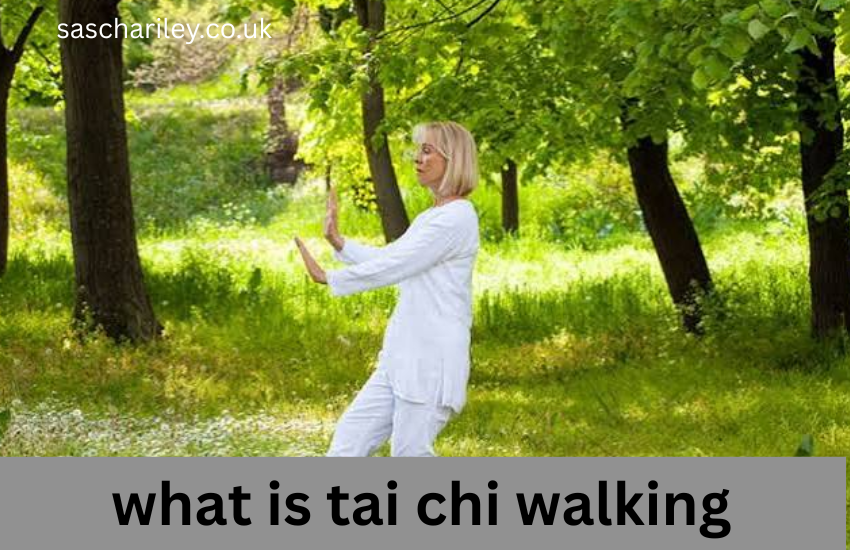
What is tai chi walking if not one of the gentlest yet most powerful ways to turn an everyday activity into a moving meditation? At its heart, tai chi walking blends the flowing principles of traditional tai chi chuan with the simple act of taking steps. Instead of rushing from point A to point B, you move slowly, deliberately, and with full awareness of how your weight shifts, how your feet connect with the ground, and how your breath supports every motion. People who practice it often describe the feeling as walking on clouds while staying deeply rooted at the same time.
This practice grew from the internal martial arts of China, where every movement trains both body and mind. In modern life it has become a favorite among those seeking low-impact exercise, better balance, stress relief, and a calmer nervous system. You do not need a gym, special shoes, or hours of free time. A quiet path, a park, or even a long hallway can become your practice space. The beauty lies in its accessibility: beginners and longtime martial artists alike find value in the same basic pattern of slow, mindful steps.
The Roots and Evolution of This Gentle Practice
Tai chi itself traces back centuries to Chinese villages and Taoist temples, where masters developed forms that cultivated internal energy, known as qi, while building practical self-defense skills. Walking variations emerged naturally as practitioners needed ways to train continuously without always performing the full sequence of postures. Over time these walking methods filtered into health practices, qigong systems, and modern therapeutic programs.
In the West the idea gained wider attention as people searched for alternatives to high-impact workouts. Physical therapists began recommending controlled weight-shifting exercises for older adults and those recovering from injuries. Yoga teachers and mindfulness instructors noticed how the slow pace mirrored walking meditation traditions from other cultures. Today you can find classes labeled “tai chi walking” in community centers, senior programs, and online platforms. The core remains the same: intentional movement that links body awareness with calm focus.
What makes the history relevant is how the practice adapted without losing its essence. Early masters emphasized rooting, the feeling of drawing stability from the earth through the feet. Modern teachers keep that rooting while adding clear cues for posture, breath, and gaze. The result is a method that feels ancient yet fits contemporary schedules. Whether you approach it through martial arts lineage or pure wellness interest, the walking form offers a living bridge between tradition and daily life.
Core Principles That Guide Every Step
Several foundational ideas shape authentic tai chi walking. The first is continuous weight transfer. Rather than planting both feet firmly and then moving, you keep one leg loaded while the other becomes light, then reverse the process in a smooth wave. This trains balance far more effectively than ordinary strides.
Another principle is softness without collapse. Muscles stay relaxed yet ready. Joints remain open. The spine feels long and upright as if a gentle string lifts the crown of the head. Shoulders drop away from the ears. The gaze softens and stays level, avoiding the common habit of staring at the ground.
Breath coordination completes the picture. Many practitioners match the inhale with the preparation phase of a step and the exhale with the placement and weight shift. The exact ratio matters less than the sense of ease. Forced breathing creates tension; natural rhythm supports flow. Over weeks of practice the breath often lengthens on its own, bringing a noticeable sense of calm even after a short session.
Related ideas such as mind-body unity, song (a quality of relaxed release), and ting jin (listening energy) appear in deeper study. For everyday walkers these concepts translate into simple reminders: stay present, release unnecessary effort, and sense the ground through the soles of the feet. When these principles operate together, ordinary walking transforms into a moving form of meditation that strengthens both physical stability and mental clarity.
Physical Benefits Backed by Everyday Experience and Research Insights
People who adopt regular tai chi walking frequently report improved balance within a few weeks. The constant practice of controlled weight shifts challenges the proprioceptive system—the body’s internal sense of position—in a gentle way. Ankles, knees, and hips learn to stabilize through a fuller range of motion without the jarring impact of jogging or the strain of heavy lifting.
Lower body strength develops gradually. The legs work isometrically during the slow transfer of weight, building endurance in the quadriceps, hamstrings, and calves. Core muscles engage to keep the torso upright and centered. Over months this quiet strengthening often translates into easier stair climbing, more confident movement on uneven ground, and reduced fear of falling—especially valuable for older adults.
Joint comfort is another common outcome. Because the pace stays slow and the knees never lock, the practice remains kind to cartilage and connective tissue. Many individuals with mild arthritis or previous knee concerns find they can walk longer distances with less discomfort after establishing a consistent routine. Circulation improves as the rhythmic muscular action helps move blood and lymph. Some notice warmer hands and feet or a lighter feeling in the legs after sessions.
Beyond the musculoskeletal system, the cardiovascular system receives mild conditioning. Heart rate rises modestly, enough to support vascular health without pushing into high-intensity zones. Blood pressure often trends downward with regular practice, a benefit observed in broader tai chi research and mirrored in the walking variation. The combination of gentle movement and relaxed breathing appears to support parasympathetic nervous system activity, the body’s rest-and-digest mode.
Mental and Emotional Rewards That Extend Beyond the Session
The mental side of tai chi walking may be its most immediately noticeable gift. Slowing the pace forces the mind to leave autopilot. Thoughts about to-do lists and worries have less room when attention rests on the precise placement of the heel, the rolling of the foot, and the shift of weight. Many practitioners describe a quieting of mental chatter after only ten or fifteen minutes.
Stress reduction follows naturally. Cortisol levels tend to ease when the body moves in a non-threatening, rhythmic way while the breath stays unforced. The practice becomes a portable reset button. A short walk around the block or along a hallway can interrupt a tense afternoon and restore a measure of calm before the next task.
Focus and presence improve with time. The requirement to coordinate breath, gaze, and step trains attentional control in a low-stakes environment. People who struggle with racing thoughts often find the structured simplicity helpful. Over longer periods some notice greater emotional resilience; small frustrations bounce off more easily because the nervous system has practiced returning to baseline through mindful movement.
Creativity and problem-solving sometimes receive an unexpected boost. When the analytical mind softens during walking, insights can surface later. Writers, artists, and professionals report that ideas clarify after a session of deliberate steps. The practice does not force productivity; it simply creates space for the mind to settle, and clarity often follows.
How Tai Chi Walking Differs From Ordinary Walking and Other Mindful Practices
Regular walking usually prioritizes destination and speed. Arms swing, heels strike, and the mind often wanders or engages with phones and conversations. Tai chi walking reverses those priorities. Destination becomes secondary to the quality of each step. Speed drops dramatically—sometimes to the pace of a slow stroll or even slower. The arms may hang softly or follow simple complementary movements rather than pumping for momentum.
Compared with standard walking meditation found in some mindfulness traditions, tai chi walking places greater emphasis on structural alignment and energy circulation concepts drawn from Chinese internal arts. The weight transfer is more deliberate, the posture more precisely upright, and the sense of rooting more pronounced. Both practices cultivate presence; the tai chi version adds a layer of physical refinement that simultaneously trains balance and coordination.
Versus brisk walking or power walking, the intensity stays lower and the impact nearly disappears. Versus hiking, the terrain is usually flat and predictable so attention can stay internal rather than external. The practice can complement all of these activities. Many people enjoy a few minutes of tai chi walking as a warm-up before a longer regular walk or as a cool-down afterward. The contrast highlights how much awareness is normally missing from everyday movement.
Practical Guidance for Beginning Your Own Practice
Starting requires almost no equipment. Comfortable flat shoes with flexible soles work well, though some prefer bare feet on safe indoor surfaces. Clothing should allow free movement at the hips and shoulders. Choose a quiet stretch of floor, path, or lawn where you will not feel rushed or observed if that helps you relax.
Begin by standing still for a few breaths. Feel the weight distribute evenly across both feet. Soften the knees slightly. Lengthen the spine without forcing the chest upward. Let the arms hang. When ready, shift weight fully onto one leg until the other feels empty. Lift the empty foot just enough to clear the ground and place it a short distance forward, heel first or flat, depending on the style you follow. Then begin transferring weight onto the new front leg in a slow, continuous motion. Only when the weight has fully arrived do you empty the back leg and prepare the next step.
Keep the steps shorter than normal walking at first. Shorter steps make balance easier to maintain and reduce the temptation to rush. The eyes look forward at a soft focus rather than down at the feet. If balance wavers, simply pause, recenter, and continue. There is no perfection required—only consistent gentle attention.
Breath can follow a simple pattern: inhale during the emptying and lifting phase, exhale during the placing and loading phase. Or simply breathe naturally and notice how the breath settles as the movement smooths out. Sessions of ten to twenty minutes prove effective for most beginners. Consistency matters more than duration. A daily short practice builds skill faster than occasional long ones.
Common Variations and Ways to Deepen the Experience
Once the basic forward step feels familiar, several variations keep the practice fresh. Sideways walking trains lateral stability and hip strength. Backward walking, done with extreme care and usually with a wall nearby for support, challenges spatial awareness and further develops the sense of rooting. Circular walking or figure-eight patterns introduce gentle turning while maintaining the same mindful weight transfer.
Some teachers incorporate simple arm movements that echo the larger tai chi forms—soft pushing, gathering, or floating motions timed with the steps. Others keep the arms quiet so full attention stays on the legs and feet. Both approaches have value. Experiment to discover which supports your focus best.
Music or silence becomes a personal choice. Soft instrumental tracks without strong beats can encourage a relaxed pace. Complete silence often deepens internal awareness. Nature settings add sensory richness: the sound of leaves, the feel of grass, the changing light. Indoor practice offers privacy and climate control. Many people alternate between the two.
Progression happens organically. Over weeks the steps lengthen slightly while remaining controlled. The weight transfer grows smoother. Awareness expands to include subtle shifts in the torso and the quality of the breath. At advanced stages some practitioners explore slower and slower paces until a single step takes half a minute or more. That extreme slowing reveals tensions and habits invisible at normal speed.
Integrating Tai Chi Walking Into Daily Life and Broader Wellness Routines
The greatest advantage of this practice is its portability. A few mindful steps while moving from the car to the office door, while waiting for a kettle to boil, or while walking the dog can reinstate presence. Full sessions fit easily into morning routines, lunch breaks, or evening wind-downs. Pairing the walking with other habits strengthens consistency—after brushing teeth, before checking email, or as a transition between work and home.
It combines well with standing meditation, gentle stretching, or full tai chi forms. Some people begin a practice session with five minutes of standing, move into ten or fifteen minutes of walking, and finish with a short form or simply quiet standing again. Others use the walking as active recovery on days when more vigorous exercise feels too much.
For those managing chronic conditions, the practice offers a sustainable option when higher-impact activities are limited. Always consult a healthcare provider before beginning any new movement routine, especially if balance issues, joint replacements, or cardiovascular concerns exist. Start shorter and slower than you think necessary, then gradually expand.
Community can enhance motivation. Local tai chi groups sometimes include walking segments. Online videos provide visual models, though the best feedback still comes from internal sensation rather than external form-checking. A simple journal noting how the body and mind feel before and after sessions helps track subtle progress that might otherwise go unnoticed.
Scientific Perspectives and Observed Outcomes
Research on traditional tai chi forms has documented improvements in balance, fall prevention, cognitive function, and mood. The walking variation shares many of the same biomechanical and attentional demands, so similar benefits appear in practitioner reports and smaller observational accounts. Controlled weight shifting challenges the vestibular and proprioceptive systems in ways that ordinary gait does not. The slow pace allows the nervous system to process sensory information more thoroughly, potentially strengthening neural pathways related to stability.
Studies on mindful movement more broadly show reductions in perceived stress and improvements in attention regulation. Tai chi walking fits squarely inside that category. The combination of aerobic mildness, strength endurance, and meditative focus creates a unique stimulus that pure sitting meditation or pure exercise may not fully replicate.
Anecdotal evidence from physical therapy settings is especially encouraging. Therapists sometimes prescribe slow controlled stepping patterns for patients recovering from ankle sprains, hip replacements, or neurological events. The emphasis on quality over quantity protects healing tissues while still providing progressive challenge. Patients often report greater confidence in their everyday walking after practicing the deliberate version.
Long-term practitioners frequently describe a changed relationship with movement itself. Walking ceases to be a purely practical act and becomes an opportunity for self-awareness. That shift in perception may be one of the most lasting benefits—an ongoing invitation to inhabit the body more fully throughout the day.
A Simple Comparison of Movement Qualities
| Aspect | Ordinary Walking | Tai Chi Walking |
|---|---|---|
| Pace | Moderate to brisk | Very slow and deliberate |
| Weight Transfer | Relatively quick and automatic | Slow, complete, and conscious |
| Focus of Attention | Often external or distracted | Internal body sensations and breath |
| Impact on Joints | Moderate heel strike | Minimal, rolling or soft placement |
| Balance Challenge | Low on flat ground | Continuously moderate |
| Breath Awareness | Usually unconscious | Often coordinated or at least noticed |
| Primary Goal | Transportation or fitness | Presence, stability, and calm |
| Accessibility | Universal | Universal with extra patience required |
This table highlights why the two activities feel so different even though both involve putting one foot in front of the other. The shift in priorities produces a distinct set of adaptations in body and mind.
Voices From the Practice
One longtime instructor often tells students, “The ground is your greatest teacher. Every step is a conversation with it. Listen more than you speak.” That simple reminder captures the spirit of the practice better than any technical cue.
Another practitioner with a desk-heavy career shared, “I used to finish the day feeling compressed and scattered. Ten minutes of slow walking in the evening undoes that compression. My shoulders drop, my thoughts quiet, and I remember I have a body.”
A physical therapist noted, “I see patients regain trust in their legs through this method. When they learn they can control the speed of weight transfer, fear of falling decreases and actual stability improves.”
These reflections illustrate the range of ways people connect with the practice—from philosophical to practical, from emotional to rehabilitative.
Addressing Safety and Common Obstacles
Safety begins with honesty about current abilities. If standing balance feels uncertain, practice near a wall or sturdy chair for fingertip support. Keep initial steps very short. Avoid slippery surfaces, thick carpets that catch the feet, or uneven ground until confidence grows. Indoor practice on a clear floor is ideal for the first weeks.
Common obstacles include impatience and self-judgment. The slow pace can feel awkward or boring at first. That discomfort is normal and usually passes as the nervous system adjusts. Treating each session as an experiment rather than a performance reduces pressure. Some days the movement will feel smooth; other days it will feel clumsy. Both are useful information.
Distraction is another frequent visitor. When the mind wanders, simply notice and return attention to the soles of the feet or the rhythm of the breath. No need for frustration. The returning itself is the training. External interruptions—phones, people, weather—can be planned around or gently accepted as part of real-world practice.
Progress plateaus happen. When they do, change one variable: shorten the steps further, add a soft arm movement, practice outdoors, or try a different time of day. Small adjustments often restart improvement.
Expanding the Practice Over Months and Years
After the initial learning phase, many people settle into a sustainable rhythm of three to five sessions per week. Some prefer daily short walks; others enjoy longer weekend explorations in parks. The practice can remain purely health-oriented or deepen into a more formal study that includes standing postures, silk-reeling exercises, or full traditional forms.
Travel offers fresh opportunities. Hotel hallways, airport quiet areas, and city parks all become temporary training grounds. The portability means the habit rarely needs to break completely. Seasonal changes invite adaptation—slower indoor sessions in deep winter, longer outdoor ones when weather softens.
For those drawn to community, workshops and retreats focused on tai chi principles often include extended walking practice. These immersive settings allow the nervous system to settle more deeply than short daily sessions alone. Yet the real mastery still happens in ordinary moments at home.
Over years the cumulative effect becomes clear. Balance remains better longer into later life. The default mental state trends calmer. Movement throughout the day carries a quiet efficiency. The practice stops feeling like something added to life and begins to feel like a natural way of inhabiting the body.
Conclusion
What is tai chi walking ultimately reveals itself through direct experience rather than description. It is a method of reclaiming the simple act of stepping as a source of stability, presence, and ease. By slowing down, sensing the ground, and coordinating breath with movement, ordinary locomotion becomes a profound training ground for body and mind. The physical benefits of improved balance, joint comfort, and gentle strength combine with mental rewards of reduced stress and sharper focus. Accessible to nearly everyone and requiring nothing more than a bit of space and willingness, the practice fits into the busiest lives.
FAQ
Whether you take five mindful steps between rooms or dedicate twenty minutes on a quiet path, each session offers a small return to centeredness. Over time those small returns accumulate into a more grounded way of moving through the world. The invitation remains open: slow down, feel the next step, and discover what becomes possible when walking itself turns into practice.
What is tai chi walking and how does it differ from regular walking?
What is tai chi walking if not the deliberate slowing and refining of ordinary steps according to tai chi principles? Regular walking prioritizes getting somewhere efficiently. Tai chi walking prioritizes the quality of each weight shift, the softness of the joints, and the presence of the mind. The pace drops, the steps shorten, and attention turns inward to sensation and breath. The result is a low-impact activity that simultaneously trains balance, posture, and calm focus in ways everyday walking rarely does.
Who can benefit most from practicing tai chi walking?
Almost anyone can benefit, but certain groups notice particularly clear results. Older adults often gain confidence in their balance and reduce fall risk. People with desk jobs find relief from stiffness and mental fatigue. Those managing mild joint discomfort appreciate the gentle loading of the legs. Individuals seeking stress reduction discover a portable tool for nervous system regulation. Even experienced athletes use it for recovery and heightened body awareness. The key is starting at a level that matches current ability and progressing patiently.
How often and how long should a beginner practice?
Beginners do well with ten to fifteen minutes most days of the week. Consistency builds skill and adaptation more effectively than occasional long sessions. Some days five minutes is enough to reset the mind. As comfort grows, sessions can extend to twenty or thirty minutes. Listening to the body remains essential—fatigue or joint irritation signals a need to shorten or slow further. Many people find that a daily short practice becomes a non-negotiable part of their routine because the mental clarity it produces is immediately rewarding.
Do I need special equipment or clothing for tai chi walking?
No special equipment is required. Comfortable clothing that allows free movement at the hips and shoulders works fine. Flat, flexible shoes or bare feet on a safe surface are ideal. A quiet stretch of floor or outdoor path is the only real necessity. Some practitioners enjoy a yoga mat for indoor sessions, but it is optional. The practice thrives on simplicity; adding gear is rarely necessary and can even distract from the internal focus that makes the method effective.
Can tai chi walking help with stress and mental clarity?
Yes, many people experience noticeable reductions in stress and improvements in mental clarity. The slow pace and required attention interrupt cycles of rumination. Coordinated breathing activates the parasympathetic nervous system, supporting a physiological calm. Over repeated sessions the mind becomes more skilled at returning to the present moment. Practitioners often report that the quiet focus cultivated during walking carries into the rest of the day, making ordinary tasks feel less overwhelming and decision-making clearer.